
In 2024, as a result of not reaching their sales goals, Square Enix announced that they could no longer afford to have games exclusive. Of course, this would mean the Final Fantasy mainline games would return to the Xbox ecosystem. At face value, it makes sense. More potential customers means more potential sales. But context is everything. So for perspective, we need to look at why the franchise originally left the Xbox ecosystem in the first place.
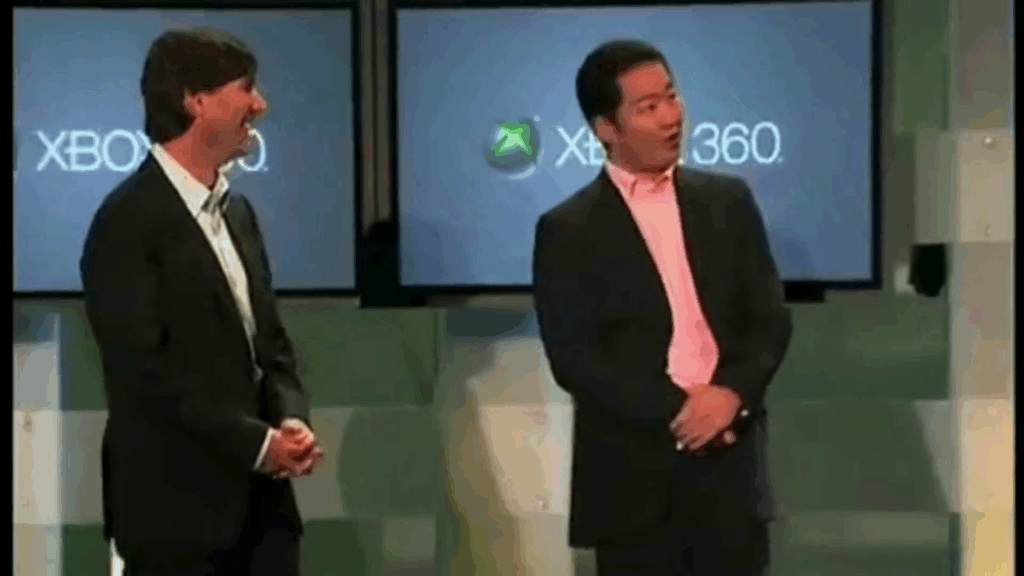
Back at E3 2006, a new Final Fantasy project was announced. Tentatively known as the Fabula Nova Crystallis project. This was a series of Final Fantasy games meant to be tied to a single expansive universe. The games that would make up this world were Final Fantasy 13, Final Fantasy 13 Versus, and Final Fantasy Agito 13. At the time, this new Final Fantasy universe was announced to be exclusive to the PlayStation 3. And for a long time, that was the belief. But development was becoming too much to handle. Final Fantasy 13 Versus was initially put on hold, and Agito 13 was in limbo. This left the original Final Fantasy 13 as the sole survivor of the Fabula Nova Crystallis project. After the release of Final Fantasy 13 on the PlayStation 3, then Square Enix president Yoichi Wada said that Square Enix would develop for Xbox if it had merit. And at the end of Microsoft’s E3 2008 presentation, Final Fantasy 13 was shown.
Now, from this point on, Square Enix put effort into bringing the legendary franchise to the Xbox ecosystem. The full Final Fantasy 13 series was made available to both PlayStation and Xbox. Final Fantasy Type-0 (formerly Agito 13) and Final Fantasy 15 (formerly Final Fantasy 13 Versus) were both shared between the two platforms as well. However, things clearly weren’t as fun and rainbows being multiplatform as most would think. In totality, the sales numbers for Final Fantasy on Xbox were nothing close to being comparable to the PlayStation sales figures. This could have been part of the reason Xbox and Square Enix’s relationship frayed for a while. I don’t know for sure, that’s just an assumption on my part. The end result was Square Enix taking a deal from Sony to make the mainline games of the franchise exclusive. And it leads to what happened next, Final Fantasy 7 Remake.
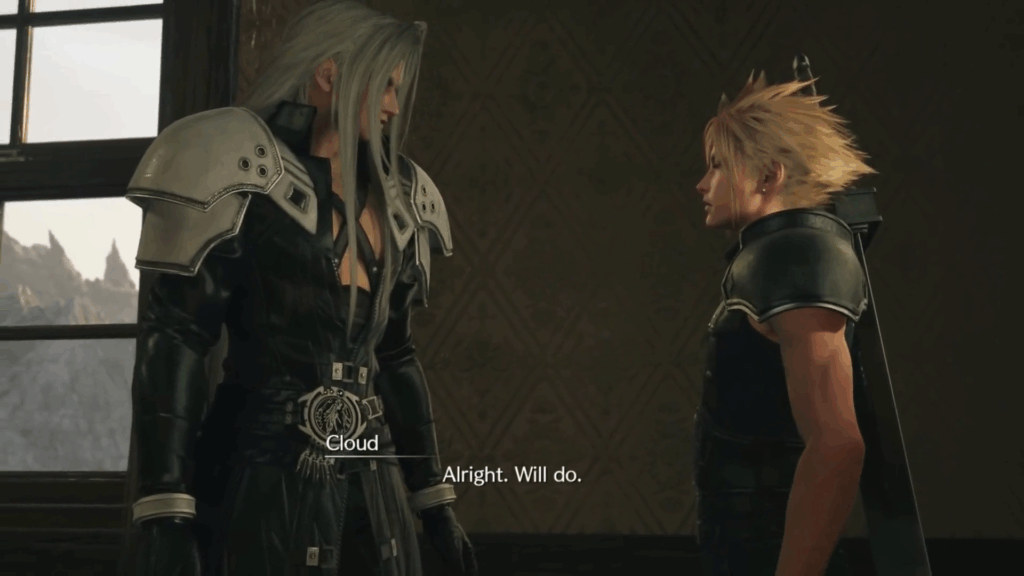
The Original Final Fantasy 7 was the game that helped put PlayStation on the map, as well as opened the doors to other companies bringing JRPG games to the West. Prior to that, the genre only had a select few games release beyond Japan. So when Final Fantasy 7 Remake was announced for the PlayStation 4 as an exclusive, the industry shockwave was massive. Thus began a short wave of Final Fantasy games exclusive to the PlayStation, at least at the time they were. Next, when the PlayStation 5 was released, a new updated version of Final Fantasy 7 Remake, complete with extra content, was released. Then came Final Fantasy 16 in 2023, a game Sony themselves helped Square Enix develop, and lastly, thus far, Final Fantasy 7 Rebirth in 2024. These games having exclusive deals with PlayStation helped bolster Sony’s brand. However, the sales didn’t please Square Enix. Now, while these games sold well, they fell well short of Square Enix’s internal projections. A number of things can be at fault for that. The fiscal climate, the lack of PlayStation 5 systems in households at the time, the franchise straying too far from its core of turn-based gameplay, etc. Regardless of the reason or rationale, the bottom line is Square Enix feels they haven’t met their numbers.
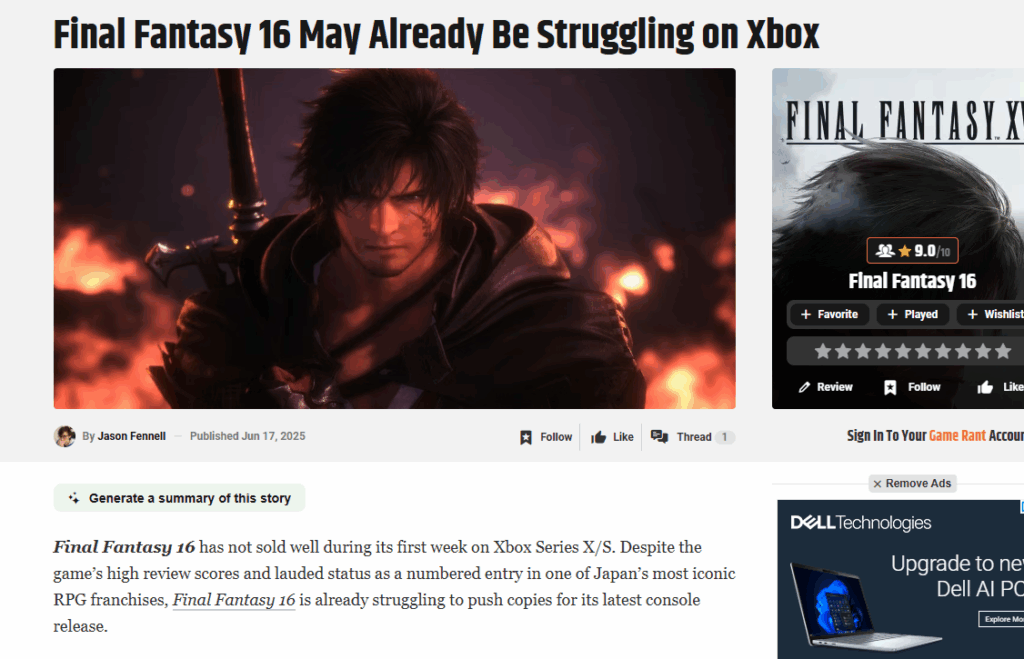
Now, here is where Square Enix may begin to remember why they went exclusive with Final Fantasy mainline games in the first place. Final Fantasy 16 was released on the Xbox Digital Store on June 8, 2025. When I first saw the Xbox most-played list, Final Fantasy 16 ranked at #431. Now it’s out of the rankings altogether. Mind you, the game fell out of the ranking the same month it was released on the Xbox ecosystem. Of course, these rankings can change, but that’s where they stand as of right now. This highlights a few problems. The first problem is that Xbox’s fanbase simply doesn’t have enough people who care about the game, thus the poor showing. This is a big reason why Square initially made the deal with Sony in the first place. And to get the elephant out of the room, yes, we know the game is older. But that doesn’t hold up well when you consider games like Sea of Thieves and Forza Horizon were either just as old or older when they hit the PlayStation 5, and those managed to chart high.
The bigger issue will be with how Microsoft has conditioned its audience to not buy anything and instead want it on Game Pass. If Square Enix didn’t like the results of the Final Fantasy 13 series sales being what they were before Game Pass existed, they should have some analysis of what the series would look like going forward.
Try to imagine this scenario. Final Fantasy 17 comes out for everything: PlayStation, Nintendo, Personal Computer, and Xbox. The costs of game creation are still high, and so each platform has to make a certain amount to give Square Enix a return on investment. Out of all the platforms, Xbox is the only one where you can legitimately perceive it won’t sell well, no matter how good or bad the game is. The only way it might be profitable is if Microsoft pays for it to be on Game Pass to make up for the lack of sales. And that’s if either Microsoft or Square Enix sees the game being worth putting on the service day 1. From Microsoft’s end, they know the franchise doesn’t really help move any units or boost player numbers on Xbox, so it’s not impossible for them to come to the conclusion it’s not worth paying for Final Fantasy 17 day one. Developers have already stated that Microsoft checks for Game Pass aren’t as big as in the early days of the service. In Square’s case, in terms of optics and maybe sales, being on Game Pass day one might do more harm than good. Final Fantasy is considered a flagship franchise in the industry, and certainly Square Enix’s top IP. Optically, that would make Square Enix look weak. Sales-wise, the game will more than likely sell poorly even if Game Pass didn’t exist, a la the Final Fantasy 13 series and Final Fantasy 15. But now, with Gamepass and the Xbox audience conditioned not to buy anything magnifies the problem. When you go across the internet, you already see people have commented saying “I’ll wait for it to hit Gamepass” or ” if it’s not on Gamepass, I’ll pass”.
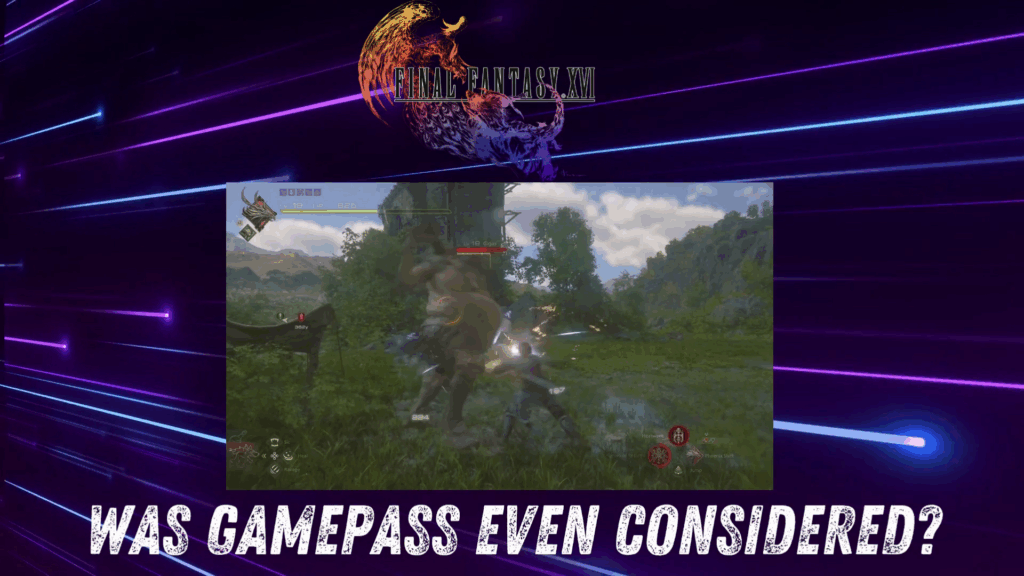
Something that came to mind for me personally is whether or not Final Fantasy 16 on Game Pass was even a discussion. Surely Square knew the sales would be bad. So why wasn’t this put on the service? Could it be Square was desperate to hit sales numbers, so they took a chance regardless of how bleak it looked? Could it be Microsoft knows their consumer base and feels paying the fees to put the game on the service wasn’t worth it? For Square’s sake, I hope it’s the former. If it’s the latter, that could give the impression that their platform partner doesn’t value their top franchise. This is just speculation. But it is curious that this game wasn’t put on the service.
It’s also only a matter of time before the mainline series returns to Nintendo’s systems again. And it will almost surely perform better on Nintendo’s system compared to Microsoft’s system. And that will make the situation even more glaring. When you look at the situation as a whole, there are questions both Square Enix and Microsoft will have to ask themselves. If you’re Square Enix, if Sony or Nintendo aren’t either helping with development or capital, is it worth bringing Final Fantasy to Xbox in the future? After all, if Microsoft doesn’t see the value of putting the Final Fantasy games on Game Pass day one, we can’t really expect they’d fund the development. And if you’re Microsoft, when you see how dismally the game performed on your system, is it worth bringing to your platform just to say “we have it too”? And that’s even with Game Pass.
And that’s compounded by the fact that Sony won’t help with the development since it won’t be exclusive. It’s almost sure that Nintendo won’t help for the same reason. That adds to Square Enix’s cost. With the rising costs of development and dismal showing on Xbox, if the Final Fantasy 7 games don’t pull half-decent numbers, we can see Square Enix go back to exclusivity again. That could be with Sony or Nintendo. Or they may leave Xbox out altogether. Either way, as of right now, don’t be shocked if 2025’s results so far don’t push Square Enix back into exclusivity deals. They’ve done it before.


COMMENTS
Honestly, they should consider playstation exclusivity.
PLaystation seems to have a pretty good track record of atleast helping studios push out more innovative games, and they could help bring in expertise
Sony actually helped them develop FF16. I doubt that’ll happen again with Square making things multiplatform.
Honestly thats good for amers, but I hope that the quality wont tank because of this
Playstation supremacy!!
Waiting on you chief. Havent pasted in a while. Feeling ok?
should be posted